


 Free 3D
 3D Print Models
 3D Scans
 Animation & MoCap
 Textures
 Materials
 Skin Reference
 2D Game Assets
 Sound Effects
 Brushes & Tools
 Reference Photos
 Stock Images
 HDR Images
 3ds Max
 Maya
 Blender
 Unreal Engine
 Unity
 ZBrush
 Cinema 4D
 LightWave
 Marmoset
 SketchUp
 FBX
 DAE
 DXF
 GLB
PU Melody of the Gilded for Genesis 9

Not Rated Yet


! REPORT
NOTE: DIGITAL DOWNLOAD, NOT A PHYSICAL ITEM

Add to Collection

1 Like
Share This Daz Content


Offered By


License
Extended Use License
This item comes with our Extended Use Licensing. This means that you may use the model for both non-commercial and commercial purposes, in a variety of mediums and applications.
For full license terms, see our 3D Content Licensing Agreement
Item Details
| Vendor: | Puetro01 |
| Published: | Nov 23, 2026 |
| Download Size: | 26.4 MB |
| Software: | Daz Studio |
| Compatible Figures: | Genesis 9 Genesis 9 |
| dForce: | – |
Included Formats

Statistics
| Favorites: | 1 |
| Likes: | 1 |
| Views: | 28 |
Item Ratings
Not Rated Yet
PU Melody of the Gilded for Genesis 9
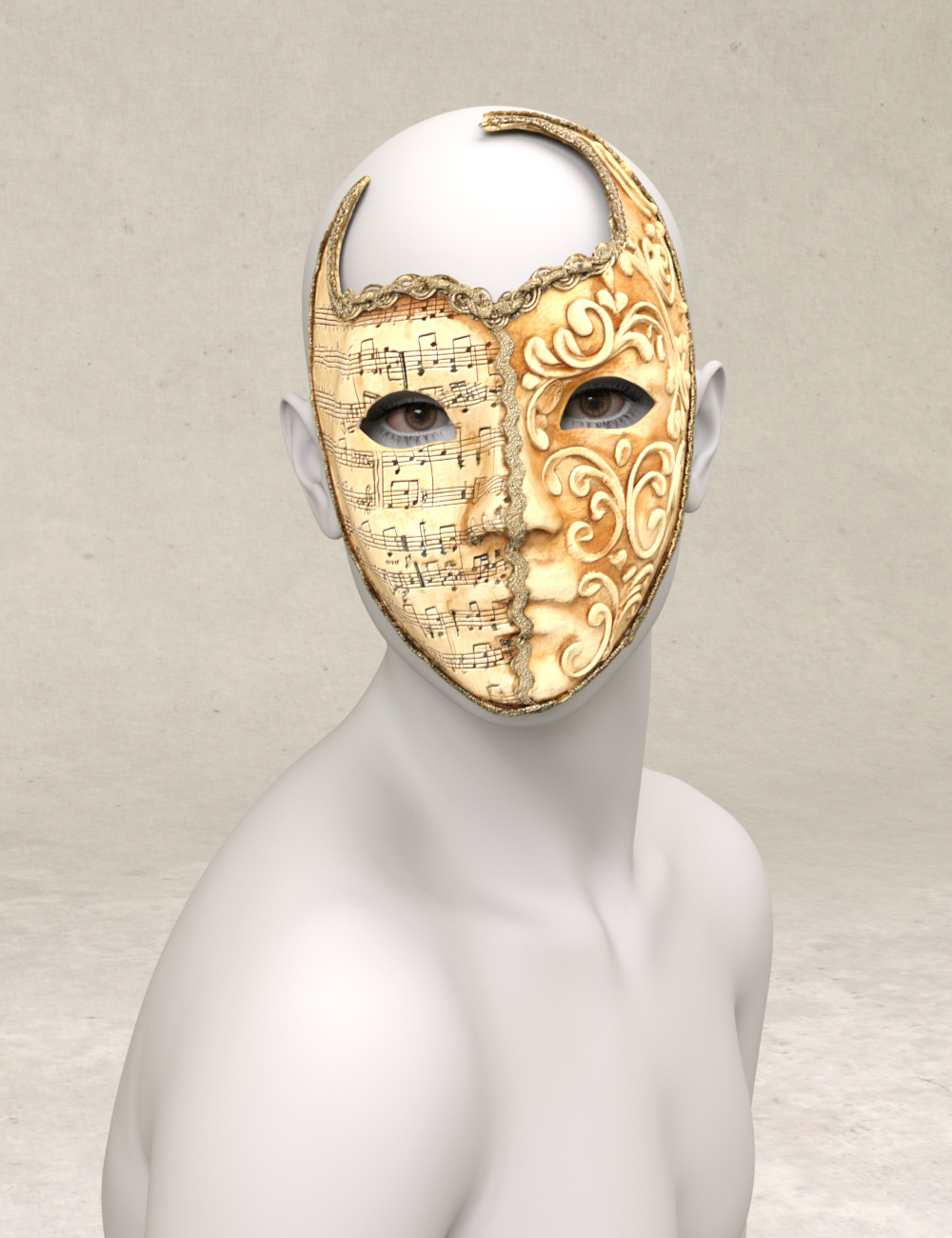
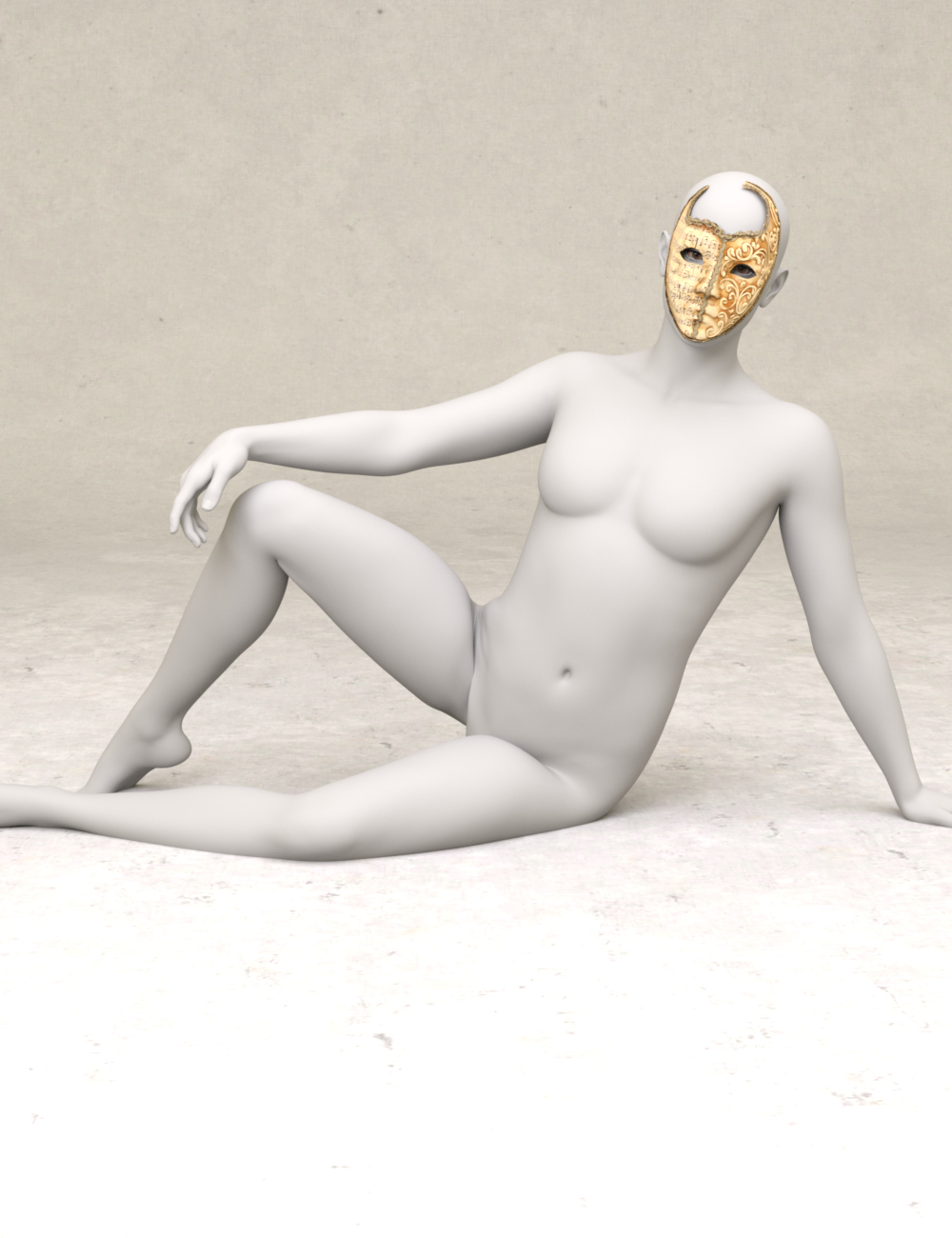
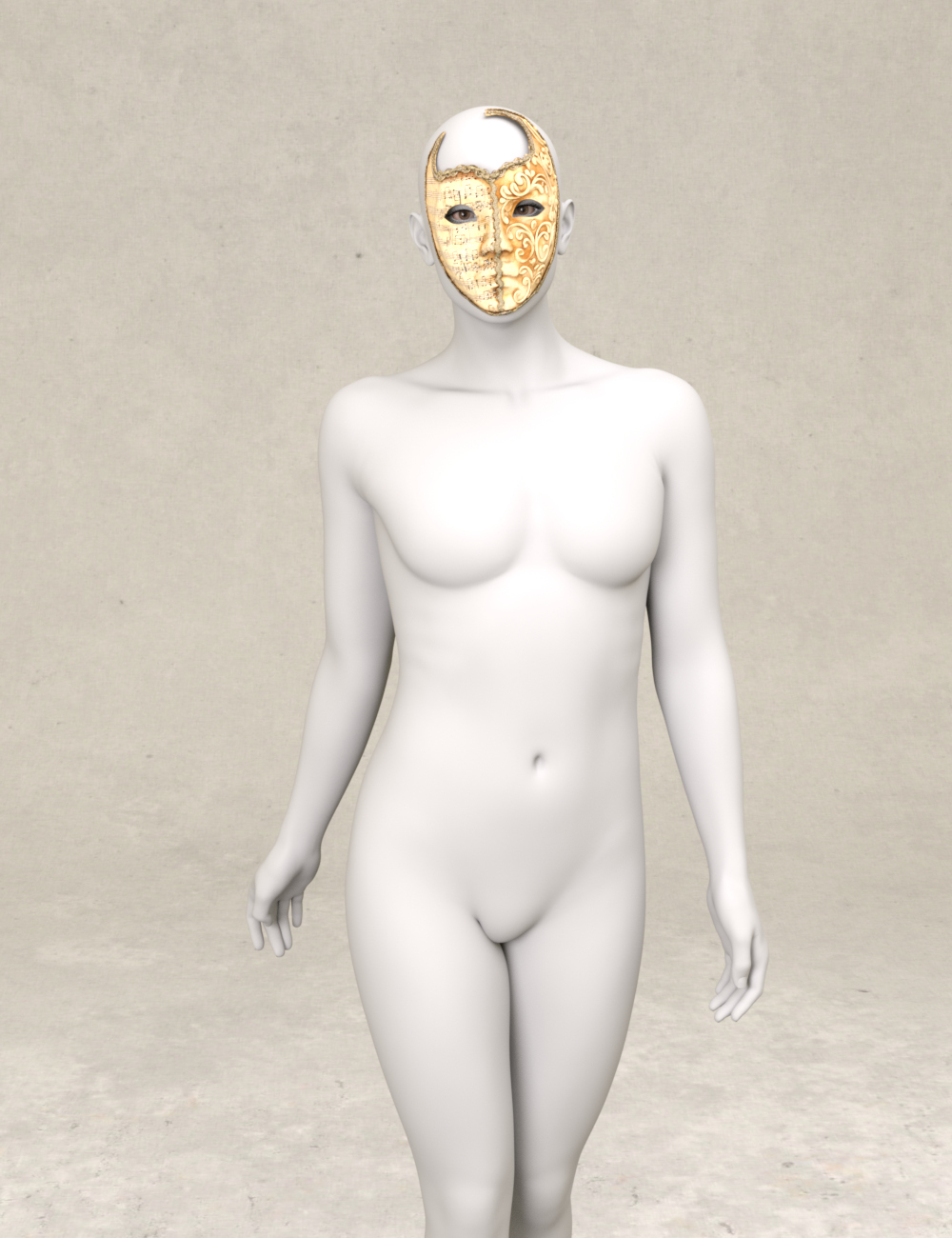
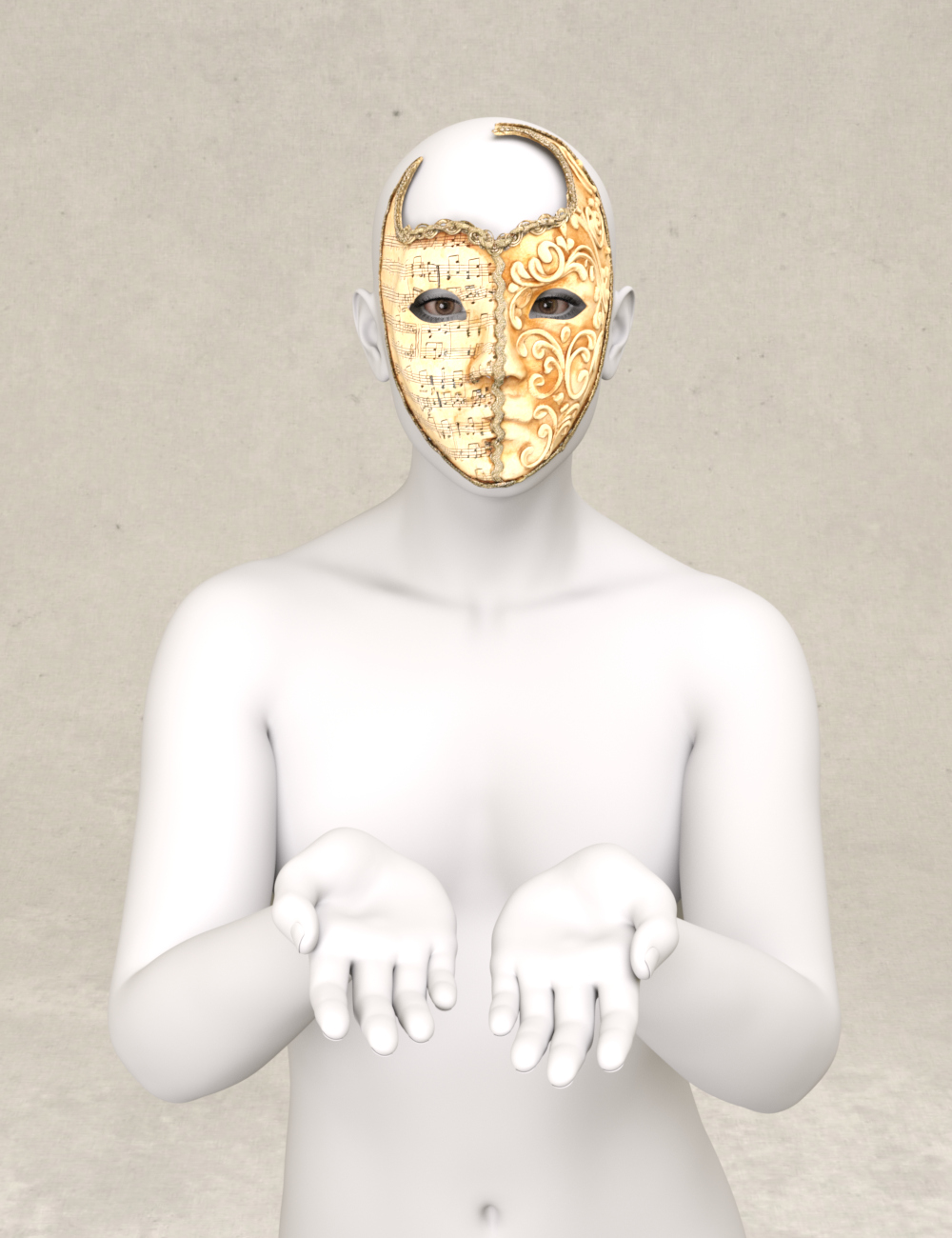
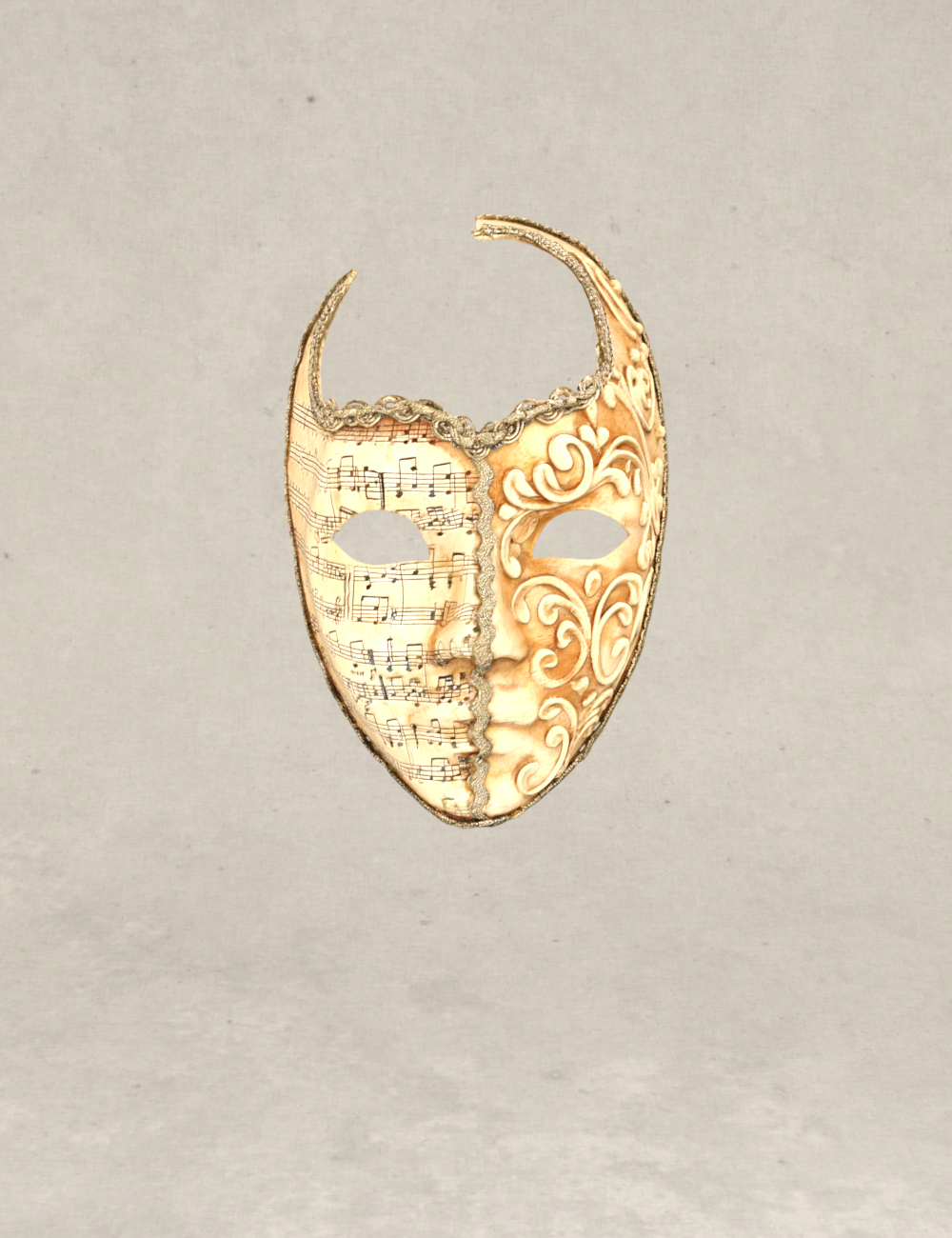
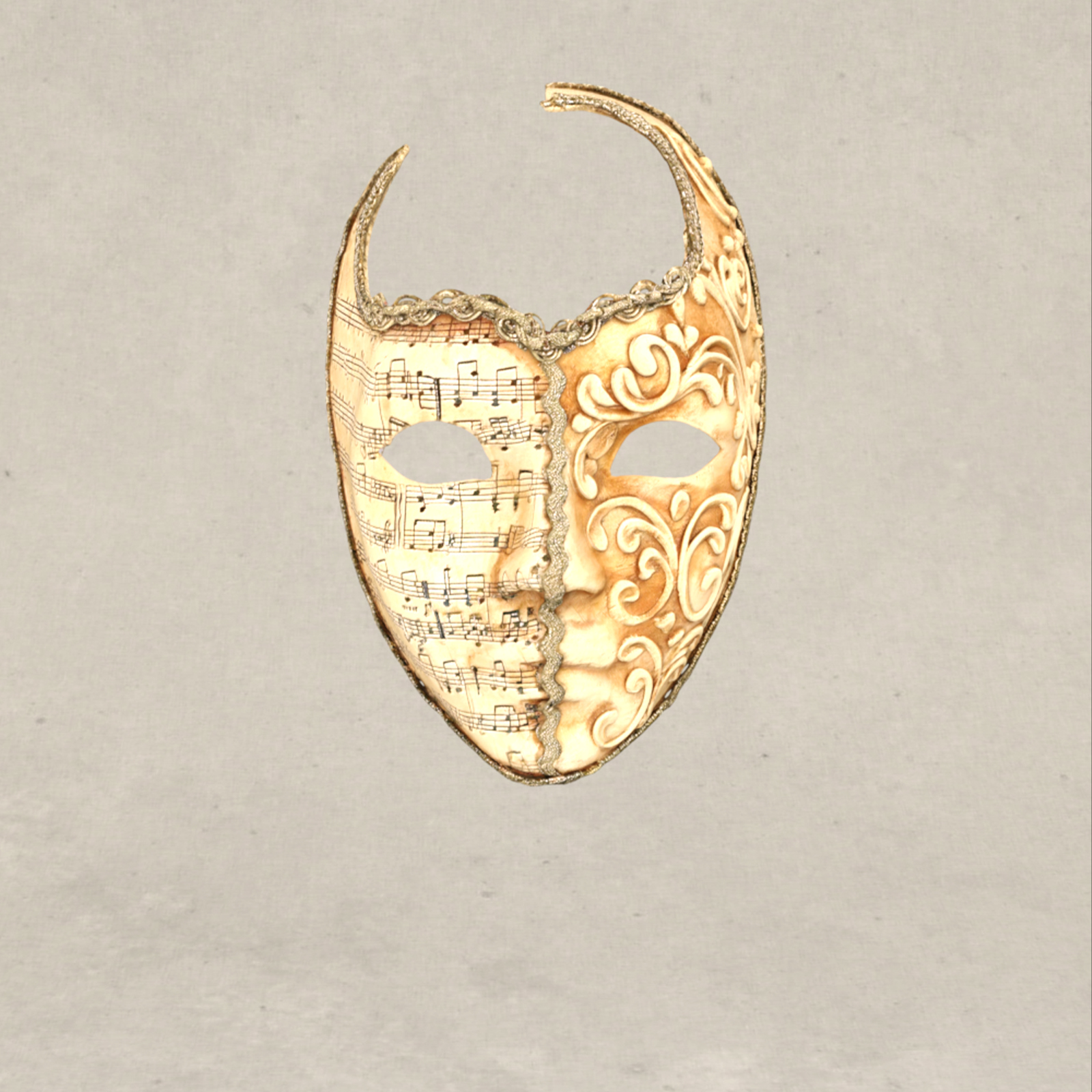
This is a full-face masquerade mask with a unique silhouette. Its upper section rises into two pointed, upward-curving tips, reminiscent of horns or frozen flames. The entire edge of the mask is trimmed with a dark gold braided cord, lending it an air that is both luxurious and ancient.
The Concept of Duality:
The mask is split vertically down the center, revealing two distinct yet unified poles:
The Left Side (The Music): The surface is an ivory-cream hue, evocative of aged parchment. It is adorned with faded black musical notation—a classical score—symbolizing art, the soul, and melody.
The Right Side (The Gold): This side features a bronze-gold finish, embellished with intricate, highly raised Baroque-style filigree (vine-like patterns). This side represents opulence, the theatrical stage, and the essence of the mask itself.
Connecting Details and Texture:
Central Seam: The dividing line down the center of the face is not a straight edge; rather, it is jagged and textured, resembling a rough stitch or a coiled cord, as if binding two separate halves together.
Eye Area: The almond-shaped eye openings are hollow—devoid of pupils—creating an empty, mysterious gaze.
Weathered Texture: The entire surface—both the musical score and the gilded sections—bears a worn, aged appearance, complete with fine cracks and patina. This gives the mask the look of a centuries-old artifact, only recently unearthed. Background and Overall Vibe:
The roughly textured gray background—reminiscent of a plastered wall or art paper—gives the mask the appearance of a still-life subject or an antique collectible. The overall impression is distinctly "Dark Academia," Classic Gothic, and theatrical. It evokes the image of a brilliant yet deranged composer, a legendary phantom of the opera, or a tragic actor from the 18th century.
